Click below link for the Evening Oil Report For more information please contact FIS Oil Desk info@freightinvestor.com UK number: +44 (0) 207 090 1134 Shanghai number: +86 (0)21 63012568
Tag archives: FO
Oil Through the Looking Glass 19/8/20

*US 0.5% Under Pressure American low sulphur fuel oil is under pressure as the retail and exports markets continue to remain poor, leaving few places to send 0.5% supplies. The drop in crude prices had previously pulled down prices, yet rising Brent prices again have not pulled up 0.5% alongside it. Brent has moved up …
Capesize dips despite fixtures uptick
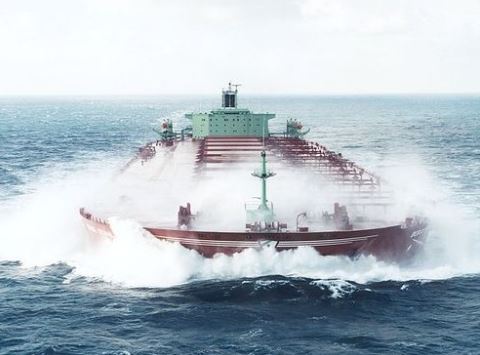
Capesize rates slipped on low volumes despite a flurry of physical fixture done over the key Brazil to China route. Thus, the Capesize 5 time charter average went down by $207 day-on-day to $19,693 on Tuesday, after the paper market failed to move into positive territory from increase of miner’s fixtures. Then, the Baltic Dry …
Morning Oil Report 19/8/20

Brent futures fell 33 cents, or 0.7%, to $45.13 a barrel by 4:18 am GMT, while West Texas Intermediate futures were down 21 cents, or 0.5%, at $42.68 a barrel. The continued spread of COVID-19 worldwide remains the key drag on the short-term demand outlook. Global COVID-19 infections exceeded 22 million case counts while …
Evening Oil Report 18/8/20
Click below link for the Evening Oil Report For more information please contact FIS Oil Desk info@freightinvestor.com UK number: +44 (0) 207 090 1134 Shanghai number: +86 (0)21 63012568
Another short trading week for Capesize

It was another short trading week for the Capesize market in view of the South Korean public holidays. Thus, the Capesize 5 time charter average slipped down slightly by $16 day-on-day to $19,900 on Monday, as the paper traded at very narrow range with thin volumes. Despite the flattish Capesize market, the Baltic Dry Index …
Morning Oil Report 18/8/20
Good morning all. Brent futures were down 22 cents, or 0.5%, at $45.15 a barrel by 3:22 am GMT, while WTI was down 23 cents, or 0.5%, at $42.66 a barrel. Oil prices moved higher overnight on strong support from ramped-up China crude purchases, a faster-than-expected US economic recovery and liquidity injections from China’s …
Evening Oil Report 17/8/20
Please click below to view the report https://fisapp.com/wp-content/uploads/2020/08/170820Fuel-Oil-Swap-Daily-Report.pdf For more information please contact FIS Oil Desk info@freightinvestor.com UK number: +44 (0) 207 090 1134 Shanghai number: +86 (0)21 63012568
Oil Through the Looking Glass 17/8/20
*US – China Trade Deal Review Postponed There is no new date for the commencement of the discussions between China and the United States over their trade disagreements after the review of phase one was put on hold. This delay will allow China to purchase more US exports before they conduct their review of the …
Capesize trades lower on market inactivity
Capesize rates ended lower in the short trading week due to public holidays in Singapore and in Greece. Most of the market participants were waiting for clearer market direction amid the mixed market outlook and thin liquidity. Nevertheless, the Baltic Dry Index (BDI) continued its upward movement with small gains of 1.14% or 18 points …
Continue reading “Capesize trades lower on market inactivity”